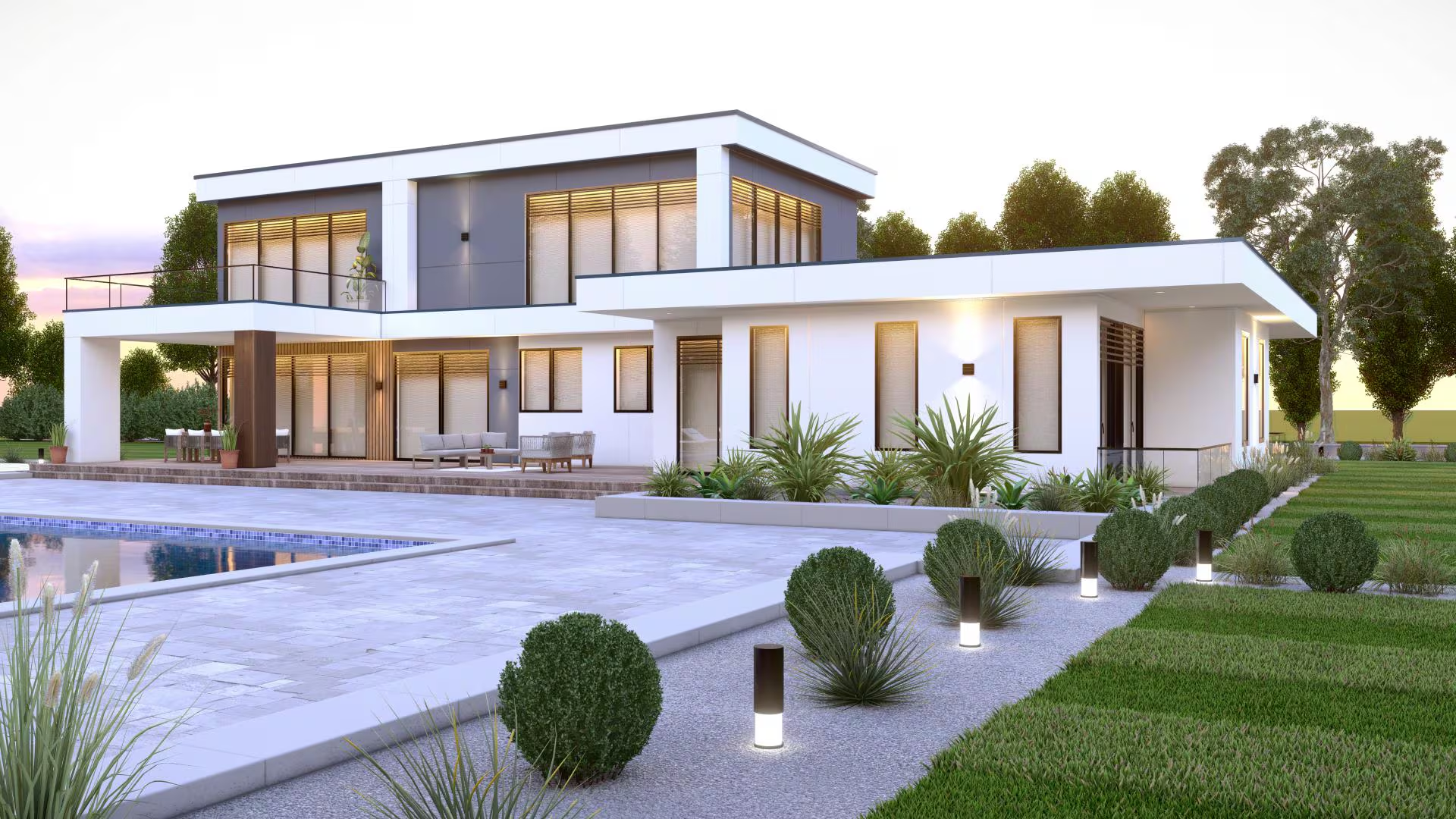
The Ultimate 2026 Guide to Modern House Plans: Layout Ideas, Design Trends & Space Optimization Tips
Modern house plans have quickly become the top choice for homeowners seeking clean lines, open layouts, energy-efficient materials, and a…
Modern house plans have quickly become the top choice for homeowners seeking clean lines, open layouts, energy-efficient materials, and a lifestyle-focused approach to design. Unlike traditional homes that rely heavily on compartmentalized rooms, modern home layouts emphasize flow, natural light, and multi-functional spaces that adapt to the needs of today’s families. Whether you’re drawn to minimalist architecture, expansive glass walls, or the balanced geometry of contemporary design, modern house plans offer unmatched versatility.
This comprehensive 2026 guide explores everything you need to know before choosing or designing a modern-style home. From interior layout strategies to exterior architectural features, space-saving solutions, sustainability trends, cost considerations, and real floor plan examples this resource gives you a complete roadmap. If you want a home that feels intentional, efficient, and aesthetically refined, modern house plans are a perfect fit.
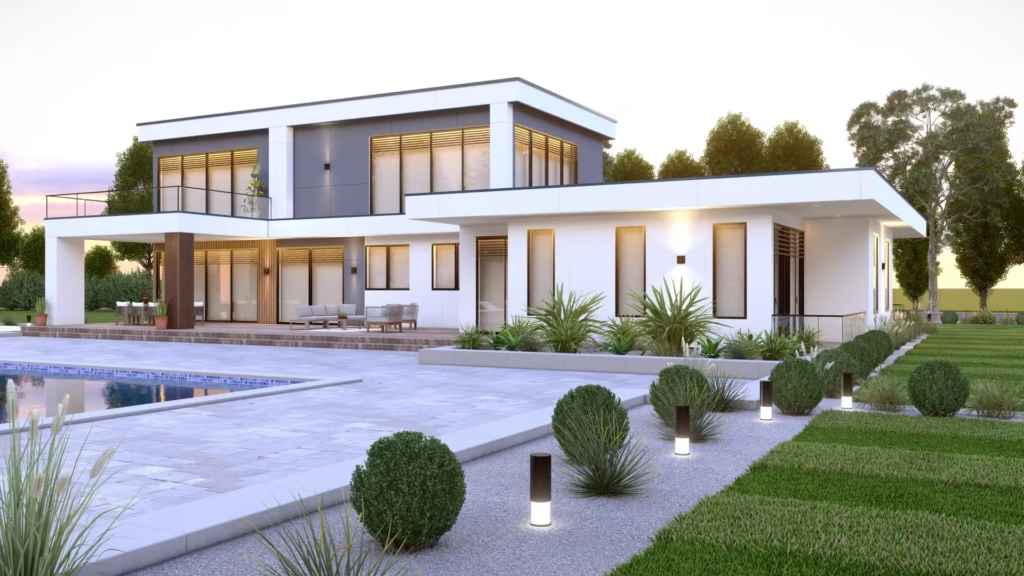
Key Takeaways
- Modern house plans prioritize open layouts, natural light, and minimalist geometry.
- Ideal for families looking for functional living, flexibility, and energy efficiency.
- Works well for 1–3 story homes and all lot sizes (narrow, corner, hillside).
- Space-saving features such as built-ins, multi-purpose rooms, and seamless indoor–outdoor flow make modern designs feel larger than their square footage.
- Trending exterior styles: minimalist, scandinavian-modern, flat roof villas, modern farmhouse hybrids.
- Building costs vary widely but can be optimized through smart material choices and simplified framing.
1. What Defines a Modern House Plan?
Modern architecture is rooted in simplicity and purpose. Instead of unnecessary ornamentation, modern houses rely on balanced proportions, natural textures, and clean structural elements. The goal is visual clarity and lifestyle efficiency, creating a sense of calm and openness.
Core Structural Traits:
- Open-Concept Layouts
Walls are minimized to improve sightlines and create seamless transitions between living, dining, and kitchen spaces. - Large Windows & Natural Light
Floor-to-ceiling glass dramatically enhances airflow and reduces reliance on artificial lighting. - Flat or Low-Slope Rooflines
A staple of modern design, offering a sleek silhouette and cost-efficient framing. - Minimalist Exterior Materials
Stucco, wood slats, fiber cement panels, and metal accents deliver a timeless, low-maintenance look. - Functional Geometry
Rectangular forms and clean horizontal emphasis produce visual stability and elegance.
Modern homes aren’t just about aesthetics they’re carefully designed environments meant to support productivity, relaxation, social gathering, and efficient living.
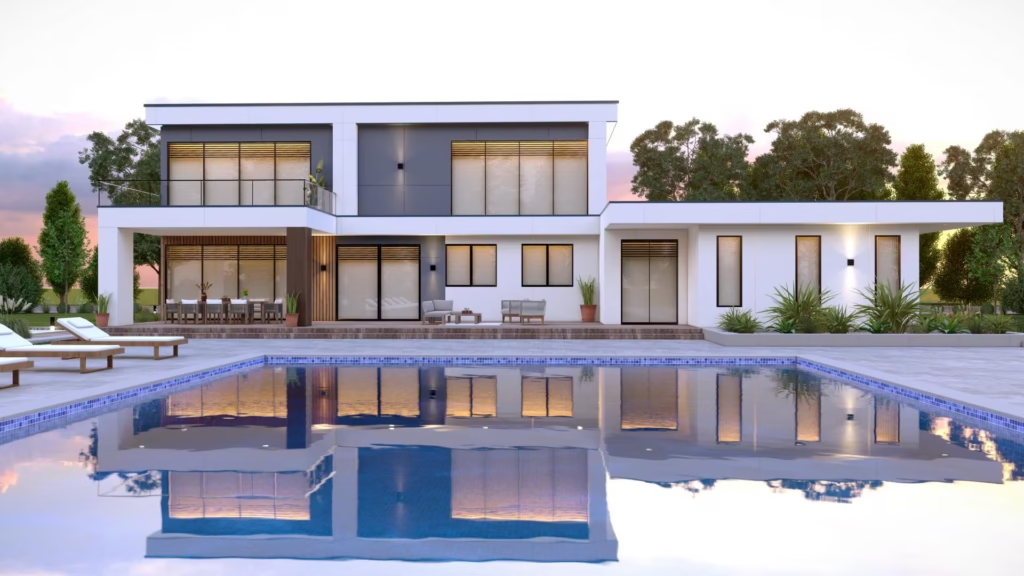
2. Interior Layout Ideas for Modern Homes
Modern interior layouts focus on human flow, flexibility, and smart zoning. Instead of creating isolated rooms, designers strategically carve out areas for communal living and private retreat.
Key Interior Layout Concepts:
A. Open Living Core
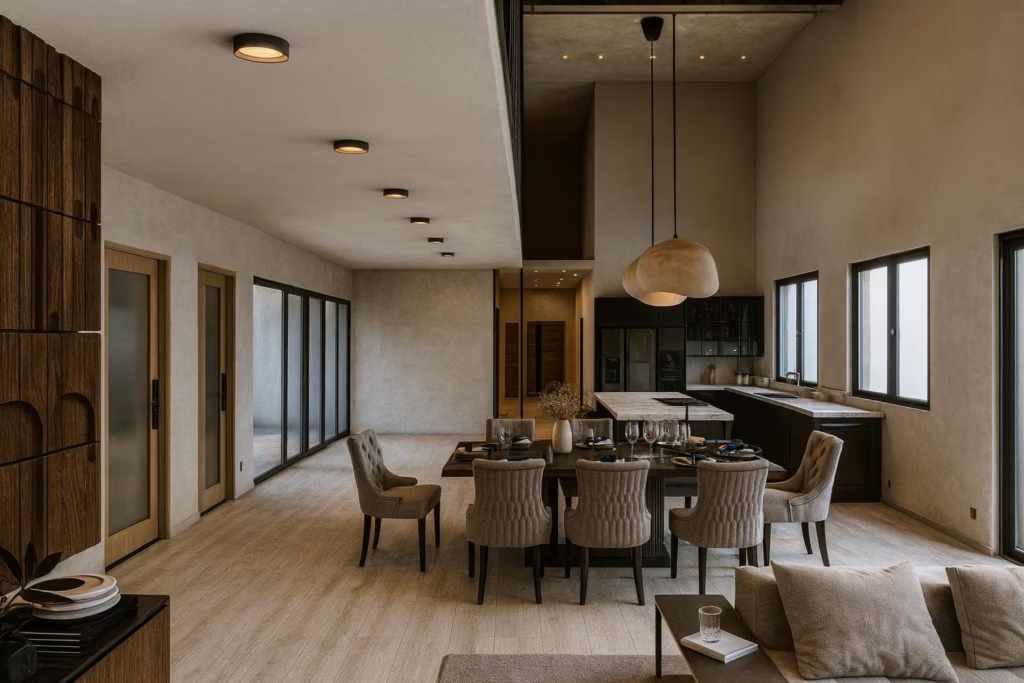
This is the defining feature of modern floor plans. The living room, kitchen, and dining area merge into a single expansive space.
Benefits:
- Encourages family interaction
- Maximizes natural light
- Enhances furniture flexibility
B. Multi-Purpose Flex Rooms
Modern life requires adaptable spaces. Flex rooms can transform into:
- A home office
- A kids’ study area
- A workout studio
- A guest suite
- A media room
Families appreciate how these rooms evolve as needs change.
C. Statement Kitchens
The kitchen is both functional and expressive. Features often include:
- Oversized island with waterfall countertop
- Hidden pantry or walk-in butler’s pantry
- Open shelving mixed with sleek cabinetry
- Integrated appliances for minimal visual clutter
D. Private Bedroom Wings
To improve comfort, modern floor plans separate the primary suite from other bedrooms.
Primary suite essentials include:
- Spa-like bathroom
- Walk-in closet
- Direct access to outdoor space
(Insert Image – Alt: modern bedroom with floor-to-ceiling windows)
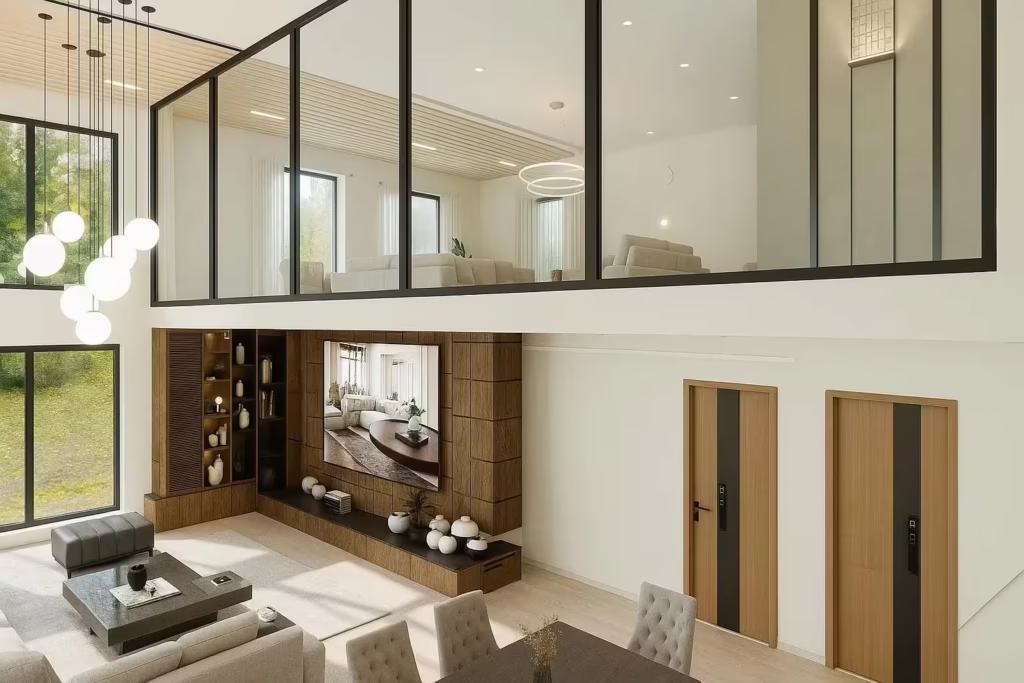
E. Seamless Indoor–Outdoor Living
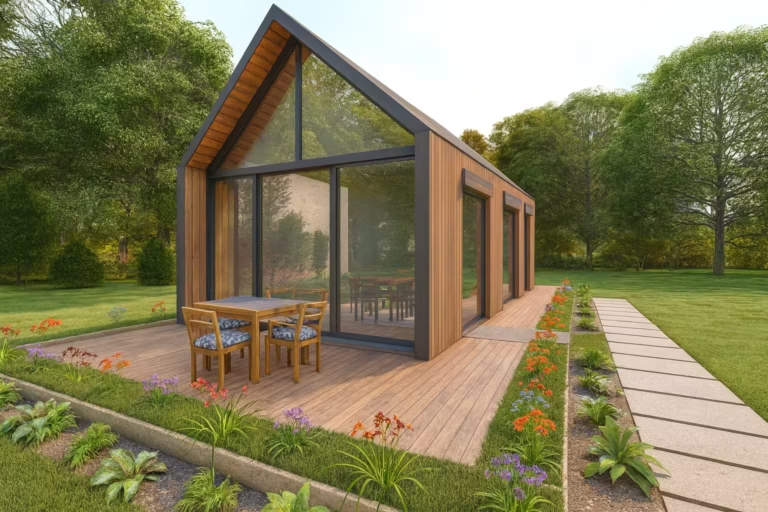
Sliding glass walls, covered patios, and courtyard layouts allow the home to expand outdoors.
3. Exterior Design Styles in Modern Architecture
Modern exteriors are defined by clarity, proportion, and texture. The right materials and articulation give the home character without excess.
Popular Exterior Styles:
1. Minimalist Modern
Flat surfaces, muted tones, and subtle wood accents.
2. Scandinavian Modern
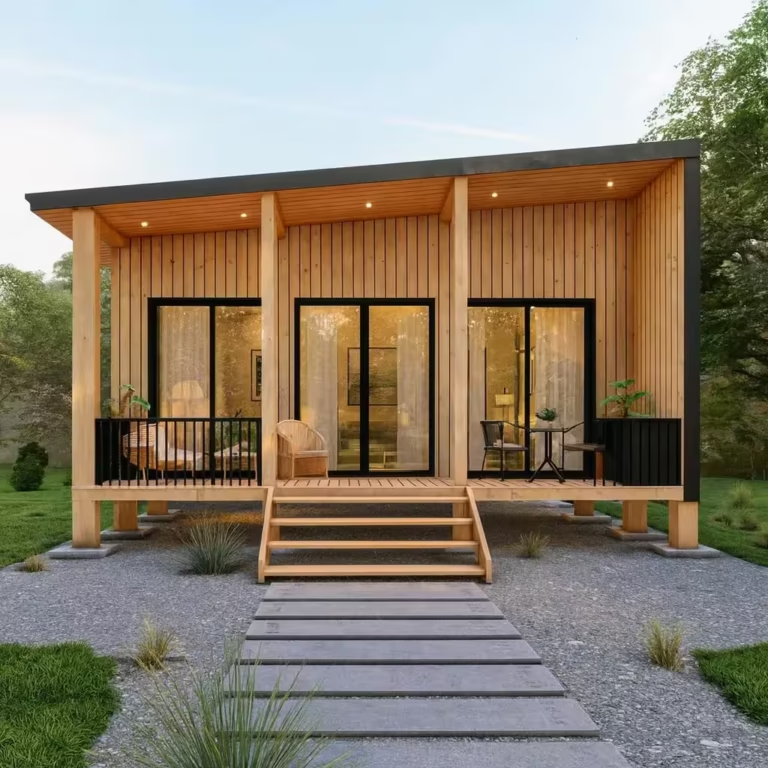
Light woods, warm textures, and simple rooflines that balance aesthetics and functionality.
3. Urban Contemporary
Bold geometry, mixed materials, industrial touches such as steel and glass.
4. Tropical & Coastal Modern
Lofty ceilings, breezeways, and strong indoor–outdoor orientation.
5. Modern Villa Style
Luxury-driven architecture featuring strong symmetry, large windows, extended roof projections, and high-end finishes.
Exterior Material Trends for 2026:
- Vertical composite cladding
- Textured stucco with smooth panel highlights
- Aluminum-framed glass systems
- Low-maintenance metal roofing
- Natural stone accents for contrast
Modern exteriors must be both beautiful and durable, striking the perfect balance between sophistication and everyday practicality.
4. Space-Saving Solutions for Modern House Plans
Modern homes excel in efficiency. Even large modern villas rely heavily on space-saving strategies to create clarity and comfort.
A. Built-In Architecture
Modern design integrates storage directly into the structure:
- Wall-mounted shelving
- Integrated bench seating
- Hidden storage nooks
- Window-seat drawers
B. Vertical Space Utilization
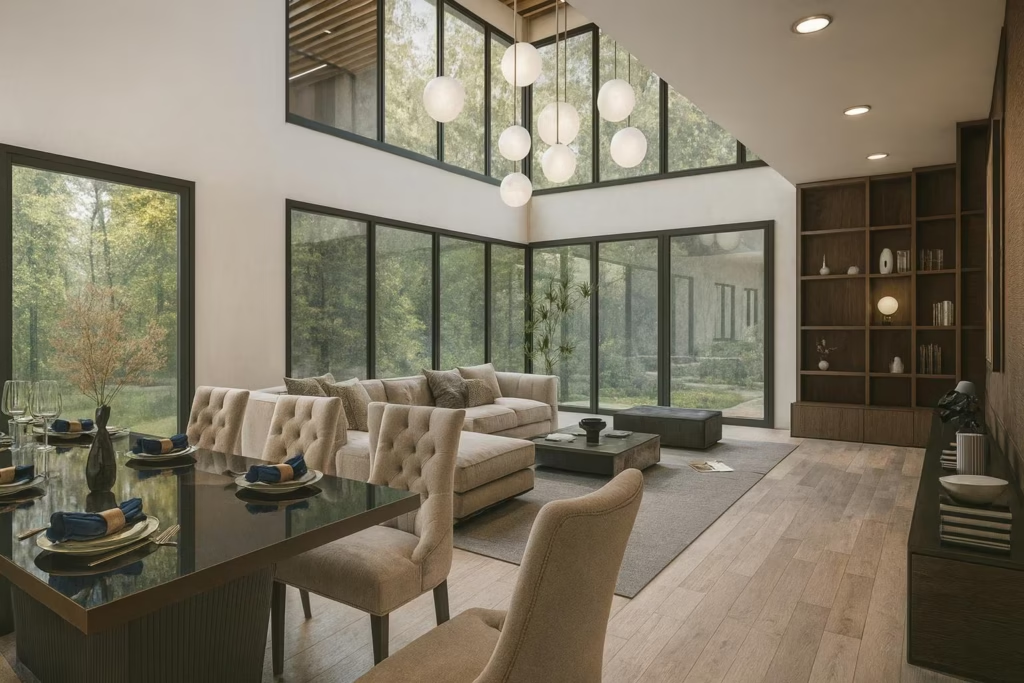
By incorporating tall ceilings (10–14 ft), clerestory windows, and loft spaces, modern homes feel much larger. Vertical space draws the eye upward, creating visual expansion.
C. Kitchen Efficiency
Modern kitchens rely on minimal clutter and maximum workflow:
- Hidden appliance garages
- Full-height cabinets
- Touch-to-open drawers
- Walk-in pantry separated from main kitchen
D. Bathrooms as Mini Wellness Retreats
Trending features in 2026 include:
- Floating vanities
- Walk-in curbless showers
- Backlit mirrors
- Built-in linen cabinets
E. Multi-Functional Furniture
Especially useful in smaller modern homes:
- Folding wall desks
- Lift-top coffee tables
- Modular sectional sofas
- Murphy beds integrated into custom cabinets
5. Cost Considerations for Modern Homes
Building a modern home requires careful budgeting. The clean geometry and structural spans can be cost-effective—but premium materials and large glazing areas may increase expenses.
2026 Cost Range:
- $200–$330 per sq ft for standard modern homes
- $350–$500+ per sq ft for luxury villa-style modern designs
Key Cost Drivers:
- Window Systems
Floor-to-ceiling glass panels are gorgeous but can be expensive. - Roof Type
Flat roofs require higher waterproofing standards. - Exterior Cladding
Wood slats, composite panels, or stone increase costs depending on region. - Structural Engineering
Open spans often require steel reinforcement. - Energy Efficiency Upgrades
Solar integration, high-end HVAC, and insulation packages add initial cost but reduce long-term bills.
6. People Also Ask (FAQ)
Is a modern house plan more expensive to build?
Often slightly—but the open layout can reduce framing costs and improve energy use.
What makes a house “modern”?
Clean geometry, minimal ornamentation, open layouts, and innovative materials.
Do modern homes have good resale value?
Yes. Modern designs remain highly desirable due to efficiency and aesthetics.
Are modern house plans good for families?
Absolutely. Flex rooms, large gathering spaces, and zoned bedrooms are family-friendly.
Can modern homes work on narrow lots?
Yes. Their rectangular forms and vertical emphasis make them ideal for small or narrow urban lots.
Conclusion
Modern house plans offer a refreshing balance of beauty, functionality, and innovation. Whether you’re drawn to sleek minimalism or luxurious villa-style architecture, modern homes adapt effortlessly to family life, entertaining, remote work, and long-term comfort. With open interiors, smart storage, sustainable materials, and personalized design options, modern homes continue to dominate architectural trends in 2026 and beyond.
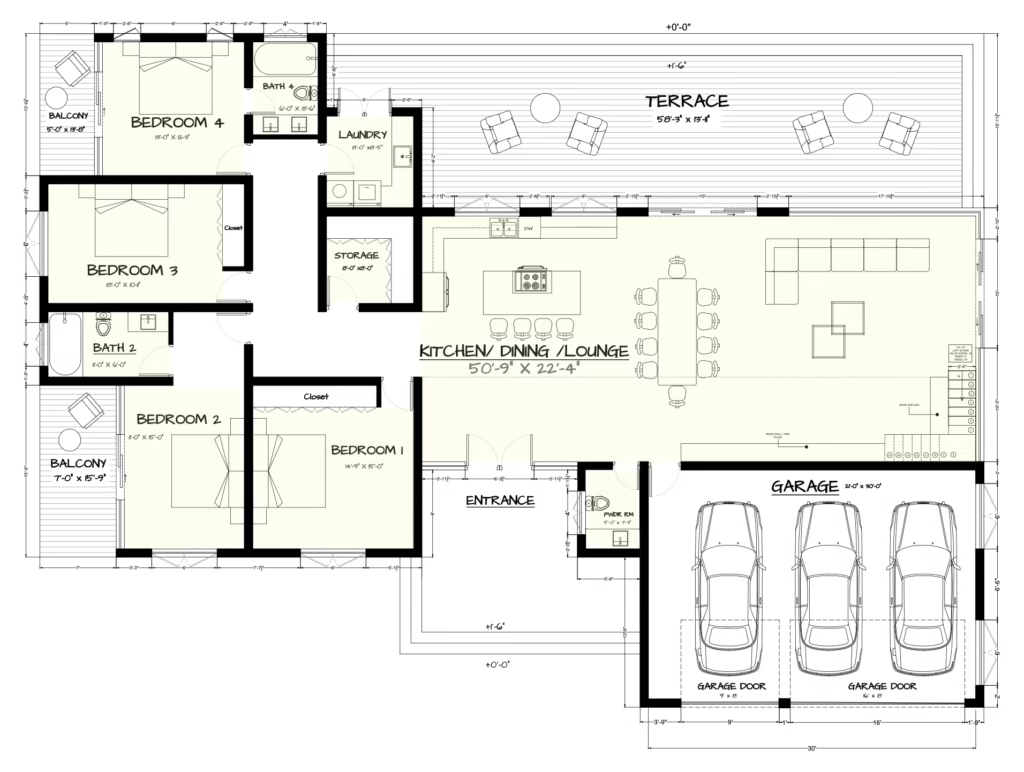
If you’re exploring modern designs for your next build, detailed floor plans can help you visualize flow, scale, and lifestyle fit before construction begins.
Recommended Plan: A Stunning Modern Villa for Families
If you’re looking for a ready-to-build modern home that combines luxury, functionality, and breathtaking architecture, explore this 4 Bedroom Modern Villa House Plan. With spacious living areas, seamless indoor–outdoor flow, and a striking contemporary façade, it’s a perfect example of high-end modern design.
👉 View the plan here: https://modernvillaplans.com/product/4-bedroom-modern-villa-house-plan/